Culture
Three Decades of New Media: From Rave Flyers to AI Agents
I originally published this as two separate posts in 2016, looking back over two decades of work in interactive media and tentatively looking forward. Ten years on, it felt right to revisit, combine, and extend it. The original pieces had a lot of accompanying images, album covers, flyers, and screenshots that added real life to the writing. I've kept the references and would encourage you to seek them out. Some things you just need to see.
Part One: Where It All Started
I've been working in interactive media for nearly thirty years now and studying and applying design and brand thinking for about the same. To put that in context, when I was at university there was one computer with internet access between forty of us, none of us had mobile phones, and a pint of beer was less than two quid.
I'm going to start by stepping back in time, because I think it matters. The foundations of what we now call "experience design" weren't laid in Silicon Valley boardrooms. They were laid in art schools, print studios, and underground clubs.
At university, we studied print design and typography, and learnt about communication and message clarity. We learnt about the responsibility we have as designers beyond the aesthetic. Lessons that are, if anything, more valuable today than they were then.
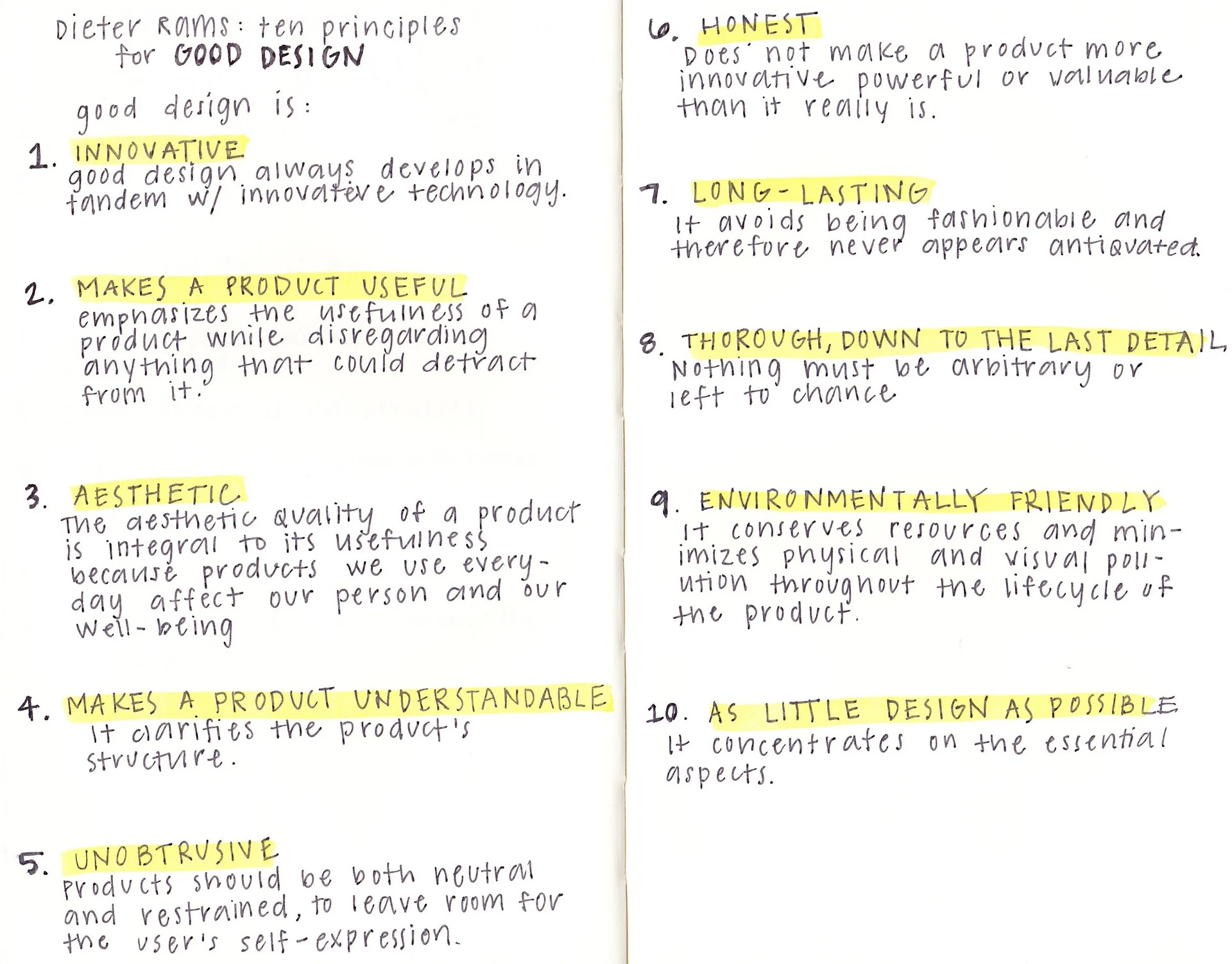
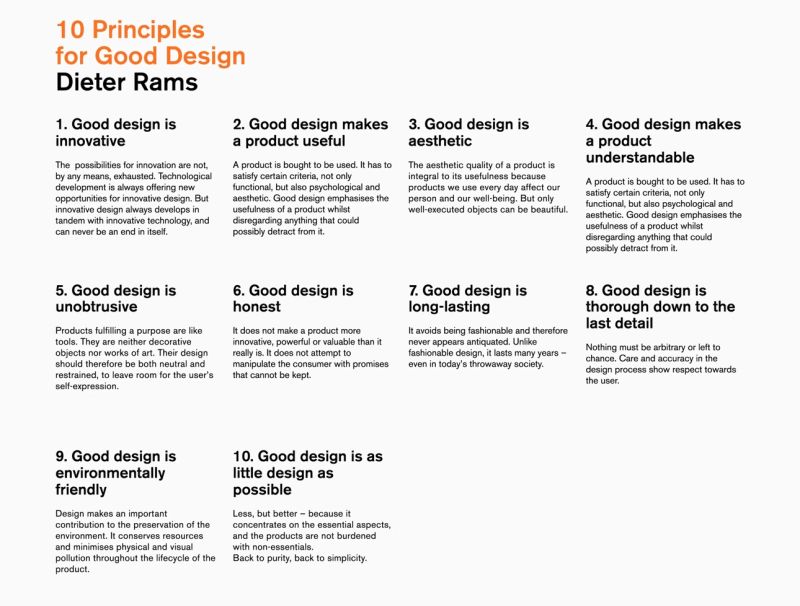
We studied the likes of Paul Rand and Dieter Rams, who put it far better than I ever could:
"To design is much more than simply to assemble, to order, or even to edit; it is to add value and meaning, to illuminate, to simplify, to clarify, to modify, to dignify, to dramatise, to persuade, and perhaps even to amuse." Paul Rand
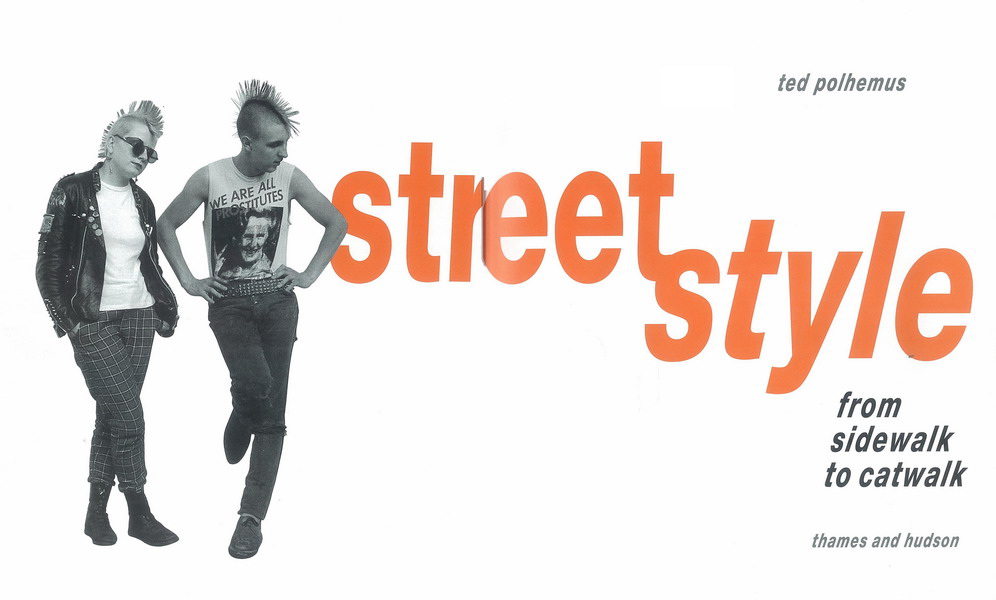
The early nineties were an intensely exciting time for graphic design. It was being chewed up by the end of the Eighties and spat out into the Nineties alongside rave culture, indie, and a myriad of tribal subcultures. Ted Polhemus's Street Style, published in 1994 to coincide with an exhibition at the V&A, captured it perfectly. So did Cynthia Rose's Design After Dark, The Story of Dancefloor Style.
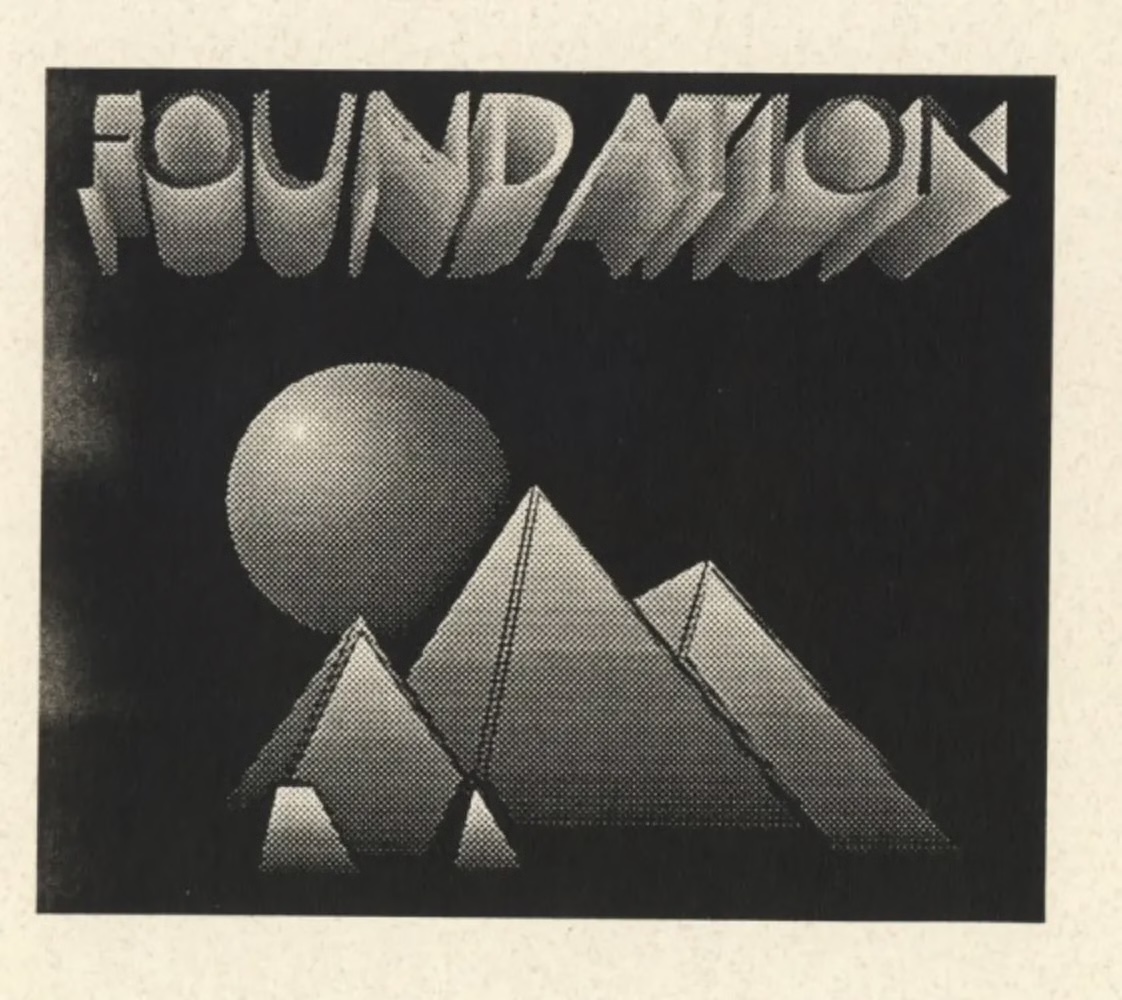
Home computing was making audio production and desktop publishing software increasingly affordable. And as we've seen repeatedly over the past three decades now, putting technology into the hands of the masses gives birth to the genuinely new. Creators and innovators find ways to twist it to their wants and needs. It happened with DTP. It happened with the web. It's happening again with AI.
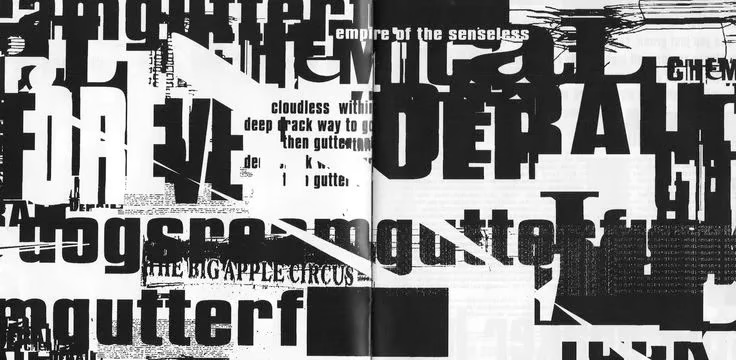
Without the web as a source of discovery, we found new design directions through album covers, flyers, posters and alt. magazines. The likes of The Designers Republic, Tomato Graphics, Attik, David Carson and Neville Brody were creating work like nothing we had seen before. Carson took his editorial print design to a place where the content was almost entirely unreadable. And it was brilliant.
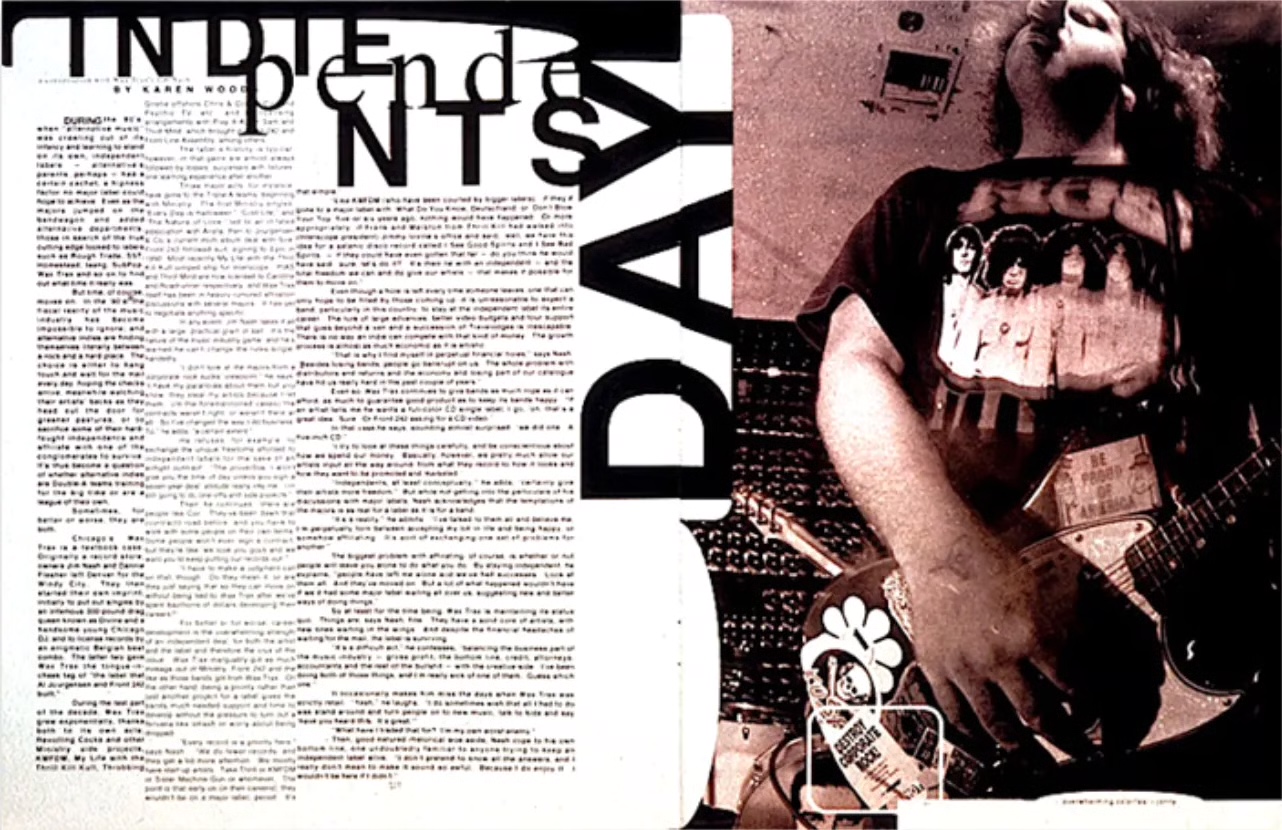
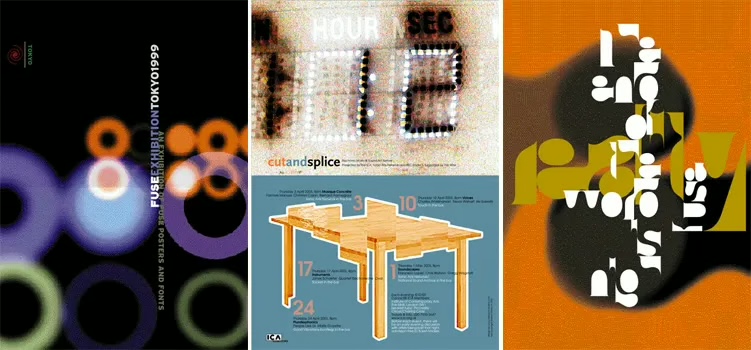
Neville Brody had been art director at the legendary The Face in the Eighties and was collaborating with Erik Spiekermann on the FontFont typeface library. He was also working with Jon Wozencroft on the FUSE project, "an interactive magazine that sets out to challenge our current ideas about typographic and visual language in an age of ever-changing communications technology and media." That description was written in 1991. It could have been written yesterday.
New Media
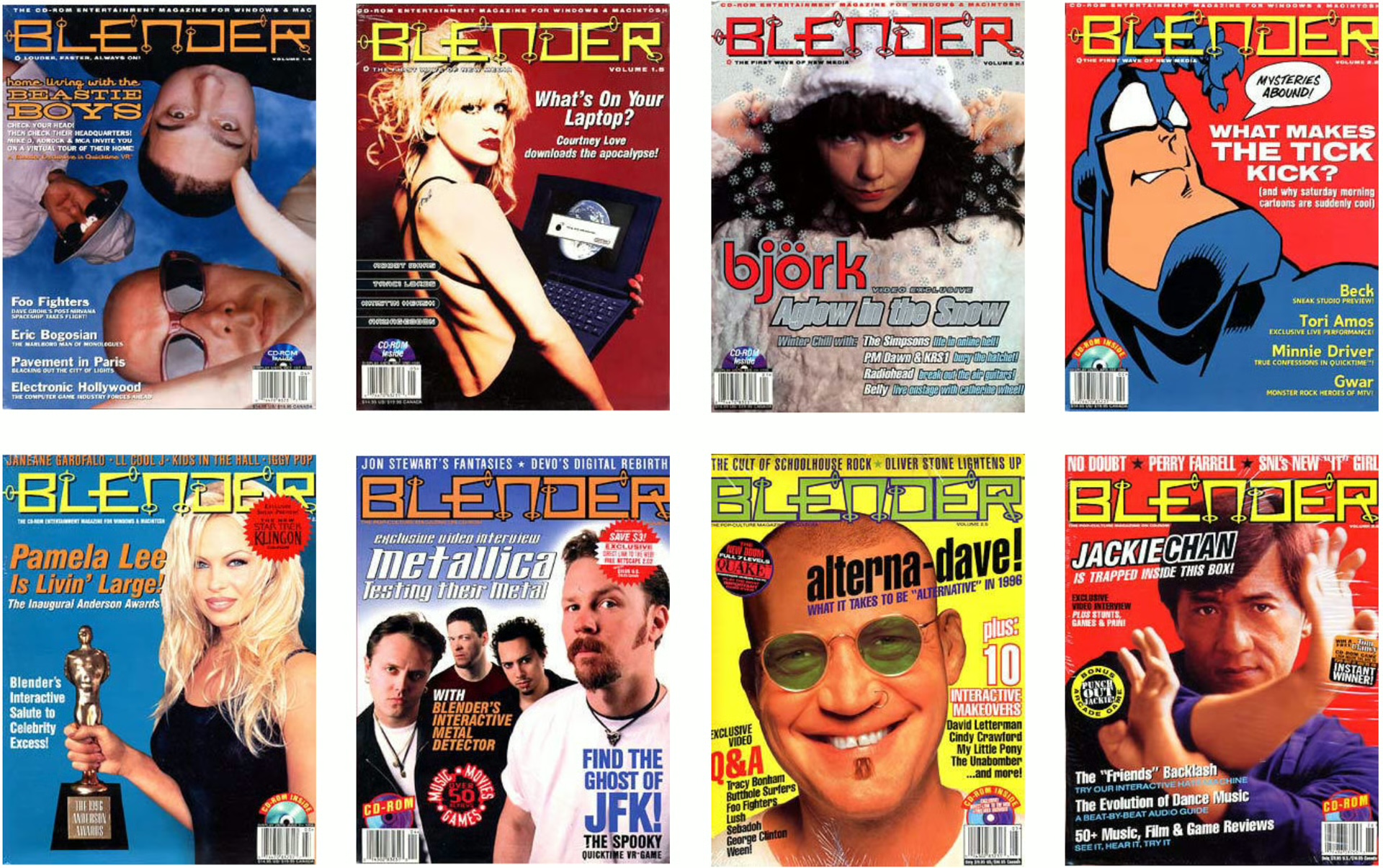
Designers and publishers started experimenting with innovative ways of delivering content on "new media" as it was increasingly being called. It was still very early days for the web when CD-ROM magazines like Blender appeared, offering a mix of video and written word through a janky, sometimes unfathomable interface. Felix Dennis, the founder of Maxim, spent five million dollars trying to make CD-ROM magazines happen. There's a great deep-dive on Tedium.co about this brief nineties phenomenon.
It wasn't just publishers. For a brief time in the mid-nineties I was fortunate enough to work with Andre Ktori, founder of AudioRom, who published enhanced interactive music CDs. One of his projects, ShiftControl, won a BAFTA for Design, a Milia d'Or for entertainment at Cannes, and a Millennium Award for Design and Innovation. It's remarkable to think that experimental projects like this were having that kind of impact using a medium that twenty years later would be all but dead.
For 30 years these died along with the CD-ROM, until now. You can explore these interactive pop-culture nuggets, in glorious 640MB increments over on David Cherry’s website
At the time it all felt revolutionary rather than evolutionary. As did the music and culture that gave birth to it. Yes, previous decades had their own artistic and cultural movements, but the difference was this: while all of this was happening around us, we were also on another cultural tipping point. The emergence of affordable home computers and this thing called the internet.
Part Two: Consolidation, Commodification, and What Comes Next
By the time I wrote the original version of this in 2016, you could already argue we were in a period of consolidation and commodification. Lots of evolutionary shifts, refinements, standardisations, and work that was derivative of what had come before.
The birth of new media had seen an explosion of creativity driven by accessible technology. It felt like an era where nearly everything was going from "zero to one" as Peter Thiel puts it:
"Doing what we already know how to do takes the world from 1 to n, adding more of something familiar. But every time we create something new, we go from 0 to 1."
We'd had the personal computing revolution, followed by the internet revolution, which morphed into the mobile age. Chris Dixon wrote a great piece observing that "smaller, offshoot tech cycles happen all the time, but every once in a while — historically, about every 10 to 15 years — major new cycles begin that completely reshape the computing landscape."
The smartphone had opened doors to the new again. It created opportunities that simply weren't there before. It went further by bringing people online who didn't have access previously. But by 2016, smartphones had hit a plateau.
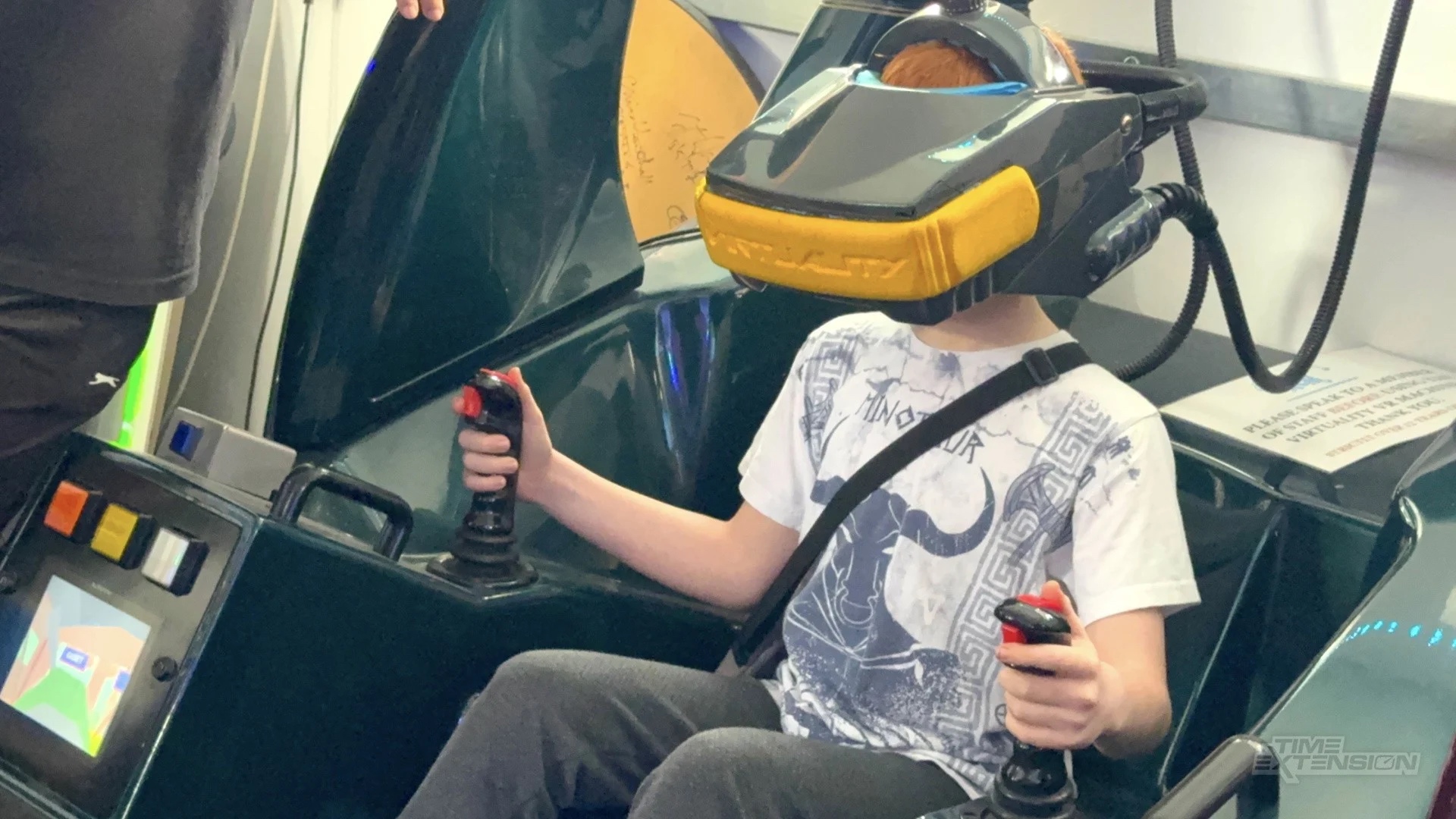
So what else was on the horizon? We were seeing a lot of hype around consumer-ready VR, it had been around for a long time and we definitely weren't ready for it in the nineties (fifteen minutes of use followed by a neck brace and painkillers). VR hadn't failed; it had continued as an invaluable tool for simulation and research outside the consumer world. But maybe, we thought, we were on a tipping point again.
90s consumer VR.
Together with VR we were seeing advances in augmented reality, nanotechnology, robotics and bots. The creators of Siri had recently demoed VIV. AI was looking like an exciting space, particularly for UX design. And after years of wandering in the wilderness, the Internet of Things appeared to be reaching maturity.
It’s a time of tremendous change. After years of design experiments and academic discussion, the cost and availability of components and the ready availability of smart phone interfaces means that the Internet of Things is finally rapidly approaching.
And on AI:
A survey conducted by Ericsson ConsumerLab last year suggested that AI will be what finally ends the “screen age” and that this shift could happen in as soon as five years. “Smartphone users believe AI will take over many common activities, such as searching the net, getting travel guidance and as personal assistants,” the report said, noting that “these are areas already being addressed by current generation AI interfaces in smartphones.”
Ted Livingston had written about the "coming bot revolution" which made me question the idea of creating any kind of destination that pulls users over, versus pushing content and commerce to the chat and social channels that customers already inhabit:
"Chat apps will come to be thought of as the new browsers; bots will be the new websites. This is the beginning of a new internet." - Ted Livingston
How Does Brand and Value Play Into All of This?
Much had been written on the homogeneity of design and popular culture. Over those twenty years, the speed that different and new had been bottled up, sterilised and sold back to us before we could take a breath had grown at an incredible rate. This had, in part, given rise to the popularity of "makers" and the prevailing movement towards craftsmanship, quality, and uniqueness.
I didn't envy marketers. Brands had far less control over their brand message, which put them in a delicate place. Consumers didn't have to go far to research the real value of a product or service and decide whether or not to engage accordingly.
As Emanuel Rosen, author of Absolute Value, put it:
"In the past consumers had to rely on advertisements and their experience with a company, brands served as proxies for quality; the rise of brands was a response to an information-poor environment."
The world had changed. A brand had little to do with the logo or the tagline and the marketer's carefully crafted message, and everything to do with the actual value and quality wrapped up in the product and experience. This showed up in everything from customer service to the way a form displays errors to the speed a web page loads.
Marty Neumeier defined brand experience as "all the interactions people have with a product, service, or organization; the raw material of a brand." We as designers had evolved into a space where the experience and inherent value of a product or service had to be immediate, tangible and relevant. Delivering on that required far more than putting the pixels in the right place.
Your brand is every single interaction anyone has ever had or is going to have with your business, whether that's online or offline.
"Experiences are more important than products now. In fact, experiences are products." - Brian Solis, X: The Experience When Business Meets Design
When a product makes a promise, it had better deliver on it. And we saw that as a good thing. It meant we all had a better chance of winning by just being better and providing real value. It was levelling the playing field in a way that benefited everyone.
That laser-sharp focus on providing value and delivering on the promise was at the heart of the product process. The glue that binds business strategy, technology, and design.
That was 2016.
Part Three: The Last Decade (2016–2026)
So here we are. Ten years later. And the funny thing is, some of what I wrote in 2016 was spot on and some of it was wildly off, or at least, the timeline was.
I'd flagged VR, AI, bots, and IoT as the things to watch. Let's be honest: VR never quite became what the hype promised. Consumer VR had its moment, Oculus Rift shipped, PlayStation VR sold well enough, and for a while every conference had someone in a headset waving their arms around. But it didn't reshape the computing landscape the way smartphones did. It found niches. Gaming, training simulations, some interesting work in healthcare and architecture. Meta bet the company on it, rebranded and everything, and the metaverse became the most expensive ghost town in history. Apple had a crack at it with Vision Pro in 2024, beautiful hardware, genuinely impressive spatial computing, but a $3,500 price tag and the slight issue of looking like a ski goggle from the future meant it remained firmly in early-adopter territory.
The bots revolution? Half right. Ted Livingston's prediction that "chat apps will be the new browsers" didn't quite land in the way he meant it. What we got instead was messaging becoming the dominant interface for customer service, WhatsApp becoming a primary business channel across huge parts of the world, and conversational UI patterns creeping into everything. The chatbot gold rush of 2016–2018 was mostly terrible, those early bots were brittle, frustrating, and reminded you exactly how far natural language processing still had to go. But the underlying instinct was sound: meet people where they already are.
IoT did mature, quietly. Smart home devices went from novelty to background furniture. Your heating learns your patterns, your fridge can order milk, and your doorbell has better surveillance capabilities than most governments had in the nineties. The revolution happened, it just wasn't very dramatic. Which is probably the sign of a genuine shift rather than a hype cycle.
The Rise of Design Systems and the Flattening of Everything
The thing I didn't write enough about in 2016, probably because I was living in it and couldn't see it clearly, was the design systems movement. By 2018 or so, every product organisation of any size was either building a design system, buying one, or feeling guilty about not having one.
On one hand, design systems solved real problems. Consistency across products. Speed of delivery. A shared language between design and engineering. All genuinely valuable. But there was a cost that took a while to surface. When every team is pulling components from the same library, when every interaction follows the same pattern, when every product looks like it was assembled from the same kit of parts, you get efficiency at the expense of distinctiveness.
I think this is connected to something I was circling around in the original piece about the homogeneity of design. The commodification I was worried about in 2016 accelerated massively, and design systems were part of the machinery. Not the cause, the cause is deeper, rooted in the economics of scale and the demand for speed, but design systems made it operationally possible to produce vast amounts of competent, forgettable work very quickly.
The irony is that the original design principles I studied at university, Rand, Rams, the idea that design should add value and meaning, illuminate and dignify, those principles assume that design is an act of considered judgement. Not assembly from pre-approved parts.
Product Thinking Ate the World (Sort Of)
The period from roughly 2017 to 2022 was when "product thinking" went mainstream. Teresa Torres published Continuous Discovery Habits and gave product teams a practical framework for staying close to customer problems. Marty Cagan kept pushing the empowered product team model. Design thinking, which had been the darling methodology for a decade, started to lose its shine as people realised that workshopping with Post-its wasn't the same as actually building things that work.
I saw this from the inside, working across automotive and enterprise tech. The shift from project-based delivery to product-based thinking was real and meaningful. Teams that made the transition genuinely built better things. But it also created a new orthodoxy, and with it, a new set of hollow rituals. "Outcome over output" became a mantra that people repeated without changing how they actually measured success. OKRs were adopted everywhere and implemented well almost nowhere. Discovery and delivery were supposed to run in parallel but in most organisations I worked in, delivery still dominated.
The concepts were right. The execution was patchy. Which is, to be fair, the story of most management ideas.
The Great Reshuffle and the Erosion of Design
Then came Covid. And everything changed in ways that had nothing to do with the virus.
The pandemic compressed years of digital transformation into months. Organisations that had been dragging their feet on remote working, digital services, online channels, because they had no choice. And for a brief, slightly manic period, design and product teams were heroes. We were the ones who knew how to build digital things quickly. Demand for our skills went through the roof.
What followed was a hiring boom that couldn't last and didn't. By 2023, the tech layoffs hit hard. Design teams were disproportionately affected. Entire UX research departments were cut. Senior design leadership roles evaporated. The discipline that had spent twenty years fighting for a seat at the table found itself standing in the corridor again.
I should be honest, this hit close to home. I've lived through the reality of senior design roles becoming harder to find, budgets being cut, and the scope of what design teams are expected to influence shrinking even as the complexity of what we're designing grows. The market for senior design and product leadership shifted fundamentally, and I don't think it's shifted back.
Part of this was the inevitable correction after a hiring bubble. But part of it was something more structural. The rise of AI tooling started to change what organisations believed they needed designers for. If Figma can auto-generate layouts, if AI can write code from a sketch, if research synthesis can be partially automated, do you really need a team of forty? The honest answer is more nuanced than most executives want to hear, but the question itself changed the power dynamic.
AI: Not the One We Expected
And then, of course, there was AI. The big one.
In 2016 I mentioned AI as a space to watch. I referenced the creators of Siri demoing VIV. What actually happened was so much stranger and more consequential than any of us anticipated.
ChatGPT launched at the end of 2022 and within two months had over a hundred million users. I can't think of another technology that moved from "interesting demo" to "reshaping entire industries" that quickly. Not the web, not the iPhone, not social media. The speed was genuinely unprecedented.
What followed was a period that felt a lot like those early nineties years I described at the start of this piece. A blast of creative experimentation. People finding ways to twist new technology to their wants and needs. New tools appearing weekly. Old assumptions being torn up. The same energy, weirdly, as when desktop publishing first put design tools into everyone's hands.
For design and product specifically, AI created a split. On one side, there's the very real capability expansion. We can prototype faster, test ideas more cheaply, generate variations at a speed that would have seemed absurd five years ago. AI-assisted research synthesis is genuinely useful. The ability to go from concept to functional prototype in hours rather than weeks changes the economics of experimentation in exactly the way the lean startup movement always wanted but couldn't quite deliver technically.
On the other side, there's the existential question. If AI can generate interfaces, write content, produce code, and simulate user behaviour, what exactly is the designer's role? I've thought about this a lot. My answer, for what it's worth, is that AI shifts the value of design work upstream. The mechanical production of artefacts becomes less valuable. The judgement, the taste, the deep understanding of human context, the ability to frame the right problem, that becomes more valuable, not less.
It's the same principle Dieter Rams articulated decades ago. Good design requires understanding, not just execution. AI is phenomenally good at execution. It's still pretty poor at understanding why something matters.
The Brand Promise in an AI World
This connects back to the thread running through this whole piece: brand as the sum of every interaction, and the designer's role in ensuring those interactions deliver real value.
In 2016 I wrote that "a brand has little to do with the logo or the tagline and everything to do with the actual value and quality wrapped up in the product and experience." That's even more true now, but the surface area of "experience" has expanded enormously.
Your brand now includes how your AI assistant behaves. Whether your chatbot is helpful or infuriating. How your recommendation engine feels, creepy or useful. Whether your automated emails sound like they were written by a human who gives a damn or by a system that couldn't care less. The tonality of an error message generated by an AI. The way your product handles ambiguity.
These are design decisions. And they require the same judgement, empathy, and understanding of human context that we've always needed. The medium has changed. The fundamental challenge hasn't.
Where Does This Leave Us?
I started this piece talking about studying print design in the early nineties. Learning about communication and clarity of message. The responsibility we have as designers beyond the aesthetic.
Thirty years later, those lessons haven't just held up. They've become more important.
Every major technology wave I've lived through, desktop publishing, the web, mobile, social, and now AI, has followed the same pattern. A burst of creative experimentation, then consolidation, then commodification. Each time, the people who create lasting value are the ones who understand that the technology is just the medium. The hard part is the thinking. What problem are you solving? Who is it for? What value does it deliver? Does it respect the people who use it?
Paul Rand said design is about adding value and meaning. Dieter Rams insisted that good design is as little design as possible. Brian Solis told us experiences are products. Marty Neumeier defined brand as the sum of every interaction.
They were all saying the same thing from different angles. And it's the same thing that matters now, in 2026, as design teams are leaner, tools are more powerful, AI is reshaping what's possible, and the temptation to let the machine do the thinking has never been greater.
The technology will keep changing. It always does. The question is whether we keep bringing the judgement, the care, and the craft. That's what I learnt in that print studio in the early nineties. It's what I'm still learning now.
Originally published as two parts in 2016. Combined and extended, February 2026.