AI & Product
It's never been easier to build the wrong thing.
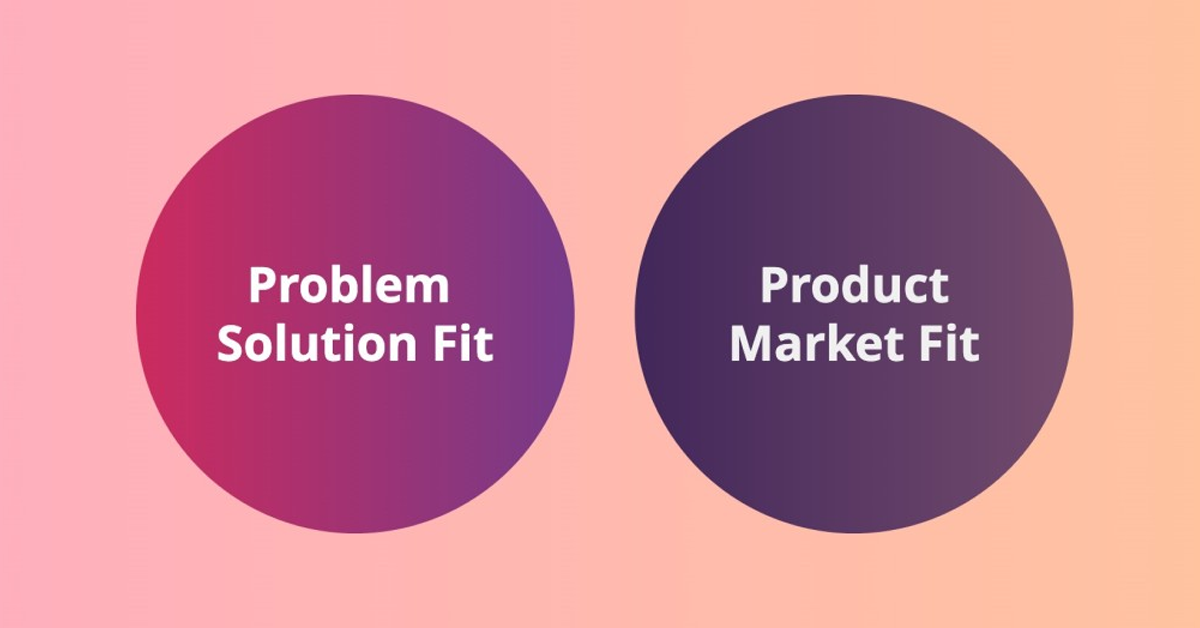
The conversation about AI and design has been dominated by the wrong question. Will AI replace designers? How long does Figma have? What happens to engineering as a discipline? These are interesting if you work at Adobe. For everyone else, they are a distraction from something more consequential.
The cost of building software has collapsed. What once required months can now be scaffolded in an afternoon. Prototypes exist before the meeting ends. Teams that spent years getting faster at building have discovered, almost overnight, that speed is no longer the differentiator.
Because the thing AI cannot compress is the cost of being wrong. It can build you the wrong product at extraordinary speed, in high fidelity, and without hesitation. It will document the wrong thing, test the wrong thing, and iterate the wrong thing into something polished and unusable. The question of whether you should have run that race at all remains stubbornly human.
There is a concept I find myself coming back to. I call it the vanilla moment: the unexpected real-world interaction that reveals what no test or theory could have surfaced. A hidden flaw. An overlooked truth. An unmet need. The insight that only emerges through presence.
You cannot iterate your way to a vanilla moment. You cannot shortcut to one. The faster we move in solution space, the more valuable these moments in problem space become.
AI is, structurally, an expertise engine. It synthesises what has been built before, averaged and compressed. Ask it to design a checkout flow and it will give you seventeen checkout flows, each technically coherent, each converging on received ideas about what checkouts look like. What it cannot give you is the insight that reframes the problem entirely.
The optimistic part
Consider what a mature, well-governed design system actually is now. Not documentation. Machine-readable infrastructure. The teams getting useful output from AI tools are almost universally the ones that made the architectural investment years ago. The teams getting inconsistent, brand-incoherent output at scale are the ones that let governance slip.
AI amplifies whatever you have. Organisations that solved human governance first will get real value from it. The ones that did not will find AI accelerates their existing dysfunction. The discipline that has spent decades arguing for systems thinking and user-centred constraints is not watching its expertise become irrelevant.
It is watching its expertise become infrastructure.
Design leadership in this environment looks like less production of artefacts that prove design happened, and more clarity about what the team is optimising toward. A person, not a model, needs to hold that view. Less defence of the process. More influence over whether the team is solving the right problem before they solve it quickly.
The parts of design that were always about production are being absorbed into the general capability of the team. The parts that were always about judgement are becoming more valuable, not less, precisely because the cost of acting without judgement has never been lower.
It has never been easier to build the wrong thing.
Which means it has never been more important to know what the right thing is before you start.
That is not a threat to design leadership. That is its brief.